What Home Lock Rekeying Actually Does — and Why It Matters
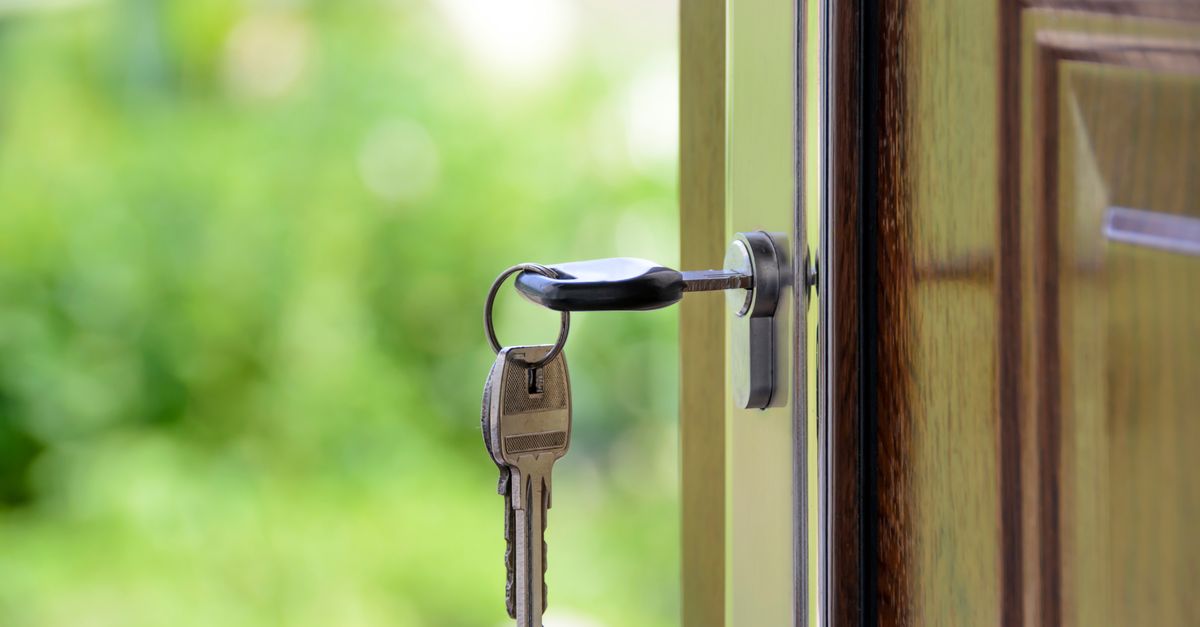
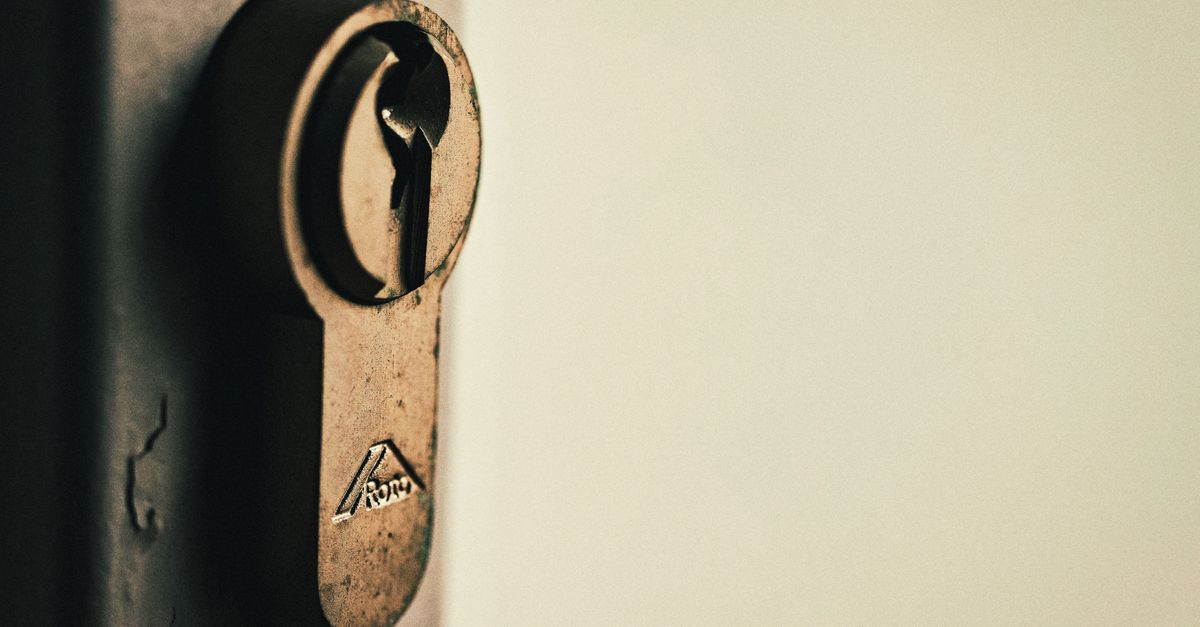
Inside nearly every standard pin-tumbler lock — whether it's a Schlage deadbolt, a Kwikset door knob lock, or a heavier mortise lock installed on an older West Jordan home — sits a series of spring-loaded pins cut to match one specific key. When a locksmith rekeys that lock, they disassemble the cylinder, swap out the driver and key pins for a new set with different height combinations, and reassemble everything so only a freshly cut key will operate it. The lock's physical hardware stays in place; only the internal logic changes. This makes rekeying significantly faster and less involved than a full home lock change, while delivering the same essential result: the previous key no longer works.
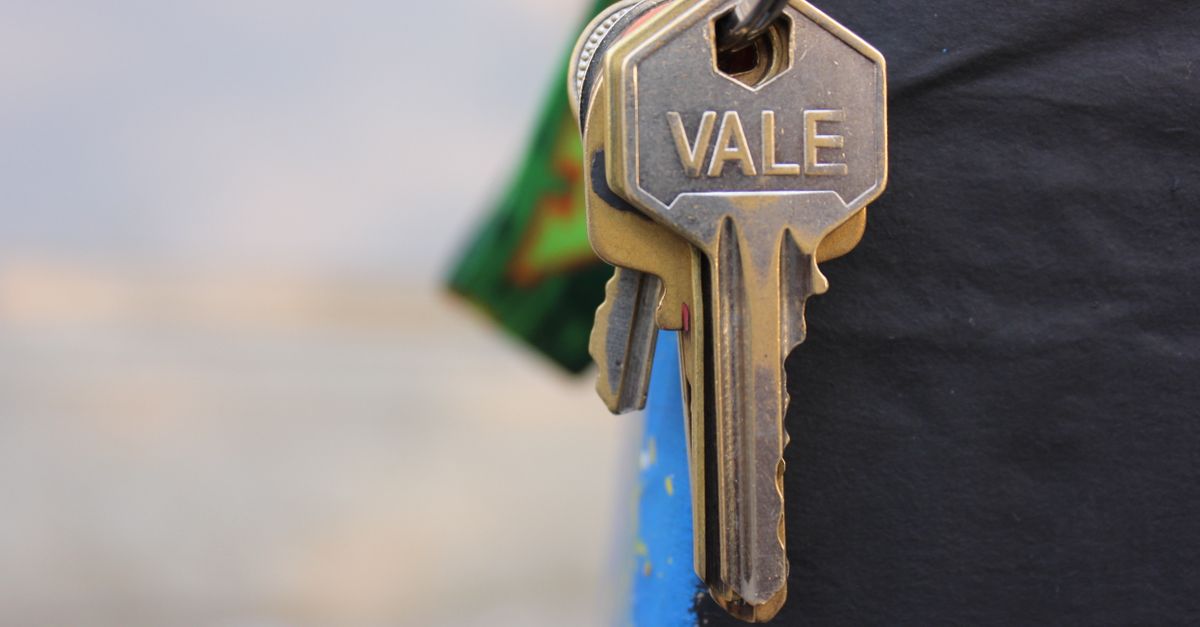
This process is especially valuable after common life events West Jordan residents face every day — closing on a new home in a resale neighborhood, finishing a renovation where subcontractors had unrestricted access, or recovering from a home lockout where keys were misplaced and you're not certain where they ended up. Rekeying also lets you consolidate multiple locks to one master key, so a single key operates your front door, back door, and garage entry — a practical upgrade many homeowners don't realize is possible during the same service visit.