Car Key Replacement by Vehicle Brand: What Actually Differs
Not every replacement key job is the same, and the brand of vehicle you drive is the single biggest variable in how the work is performed. Ford and Lincoln keys from the mid-2000s onward typically use PATS (Passive Anti-Theft System) transponders that require a precise on-board learn procedure — some Ford models require two working keys already present to program a third, while others allow a technician with professional-grade OBD software to bypass that restriction entirely. GM vehicles — Chevrolet, GMC, Buick, Cadillac — shifted from a simple transponder chip to the more complex VATS and then PassLock and PassKey systems over several generations, and each generation demands a different programming sequence. Our technicians carry multi-platform OBD-II programming devices that communicate directly with the vehicle's ECU, so we're not guessing at sequences — we're reading and writing to your specific module.
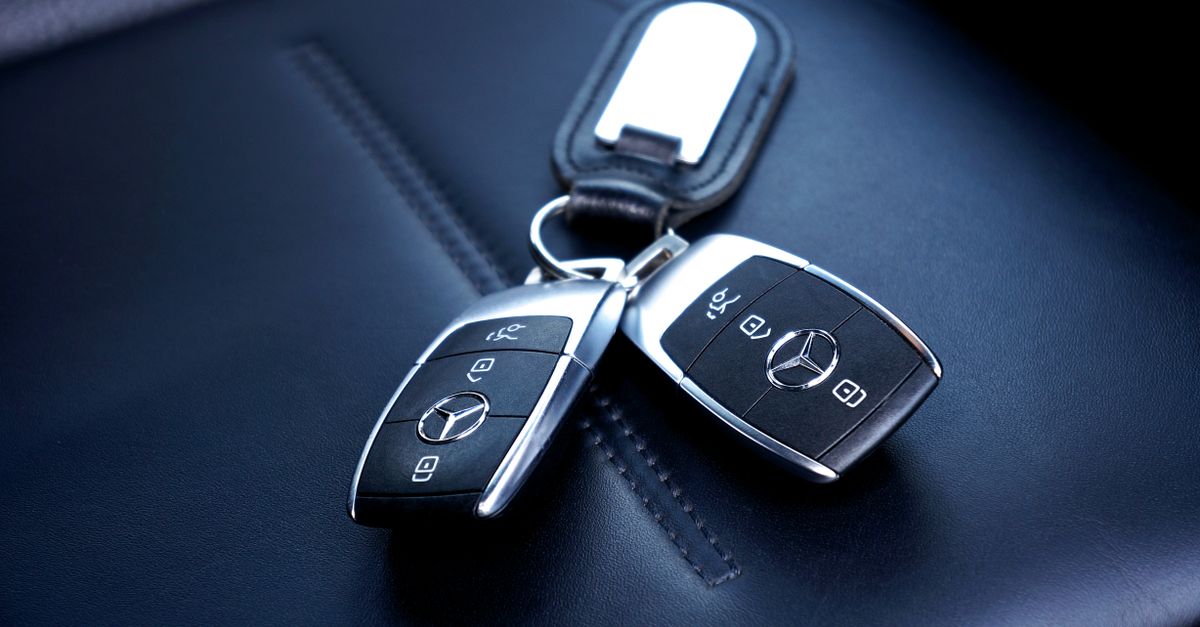
Japanese brands carry their own nuances. Toyota and Lexus have used the G-chip and H-chip transponder families, and later models migrated to smart key systems with push-button ignition that require both RF frequency matching and immobilizer synchronization. Honda and Acura key fobs often need dealer-mode activation sequences performed while sitting inside the vehicle, which is straightforward for our technicians but impossible to complete without the correct software handshake. Nissan and Infiniti use a Nissan Consult-compatible protocol for their intelligent key systems. European brands — BMW, Mercedes-Benz, Audi, Volkswagen — are among the most complex: many require EIS (Electronic Ignition Switch) or CAS (Car Access System) module reading, and some later models demand a secure online token from the manufacturer's server, which our equipment supports. Whatever brand you drive, we arrive with the tools matched to that platform, not a one-size-fits-all kit.